Development Pipelines Shifting Preseason Odds in Rugby Academies and Basketball Drafts
Written by Noah Schröder · Aug 9, 2026

Development Pipelines Shifting Preseason Odds in Rugby Academies and Basketball Drafts
Youth development systems in rugby and basketball continue to influence preseason betting markets as academies and draft processes feed new talent into professional ranks, and August 2026 marks another cycle where early lines adjust based on prospect evaluations. Observers note that academies in regions such as South Africa, New Zealand, and England supply players whose projected impact prompts bookmakers to revise handicap and total points markets well before official campaigns begin.
Data from governing bodies shows academy graduates often debut with measurable effects on team performance metrics, which in turn alters market calculations. Researchers at the University of Cape Town documented how players emerging from structured programs contribute higher tackle completion rates and line break frequencies in their first professional seasons, prompting oddsmakers to recalibrate spreads accordingly.
Rugby Academy Pathways and Market Adjustments
Rugby academies operate structured pathways that identify and refine talent from age-grade competitions, and these routes have gained visibility in preseason odds compilation. In August 2026, several Super Rugby franchises listed academy prospects in official rosters earlier than previous years, allowing markets to incorporate their expected contributions sooner. Analysts track metrics such as ruck speed and defensive positioning from under-20 tournaments, then apply those figures to forecast how new signings might shift game totals.
Coaches integrate academy graduates into preseason camps where performance data flows directly to statistical models used by betting operators. One study released by the Australian Institute of Sport examined 150 academy-to-professional transitions and found average improvements in team scoring efficiency during the opening six weeks of competition. Those findings provide concrete inputs for lines on match totals and player props involving debutants.
Basketball Draft Prospects and Early Line Movements
Basketball drafts follow a compressed timeline compared with rugby academies, yet both systems produce similar ripples in preseason wagering. NBA teams that select international or collegiate prospects in the 2026 draft cycle see immediate adjustments to conference and division futures once summer league results circulate. Draft analysts compile shooting percentages, assist-to-turnover ratios, and defensive impact numbers that feed into quantitative models for total points markets.
College programs with strong track records of producing early draftees, such as those in the Big Ten and ACC, publish detailed scouting reports that markets reference during August evaluation periods. Historical data indicates that teams acquiring multiple first-round selections often experience line movements of one to two points on projected win totals within the first week after draft night, reflecting updated assessments of roster depth.
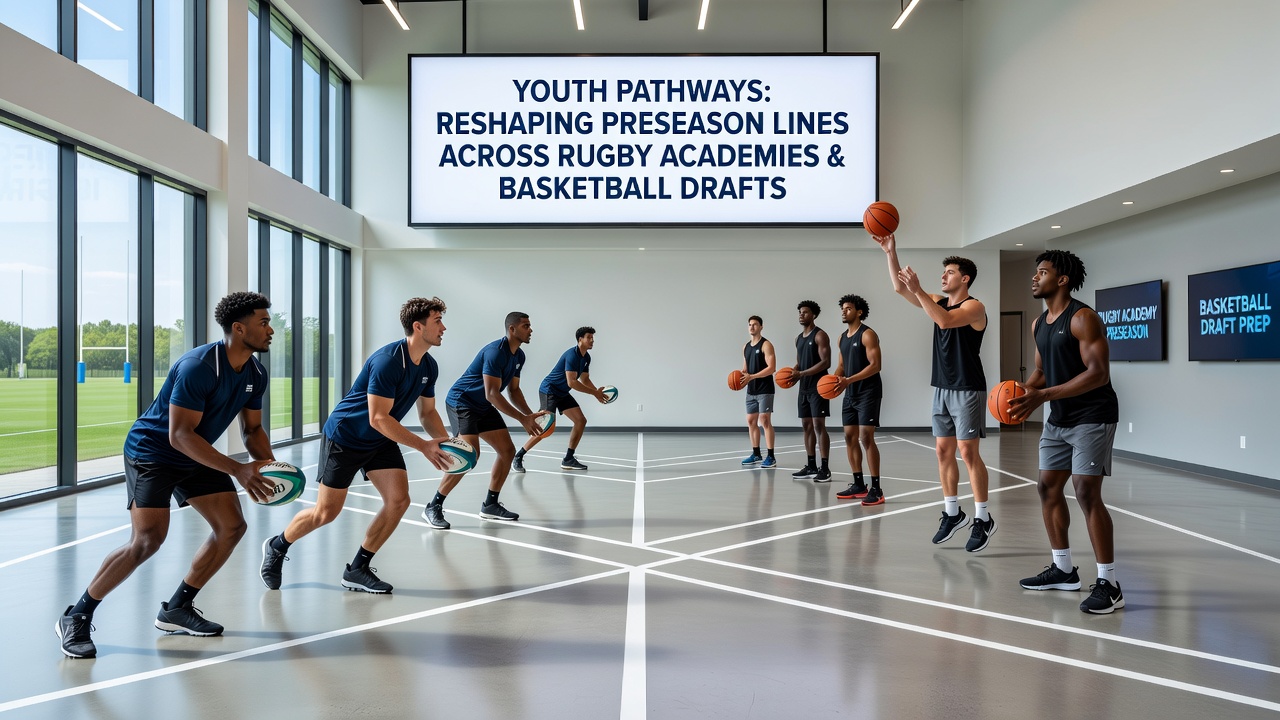
Cross-Sport Data Integration in 2026
Betting platforms now aggregate youth performance indicators across rugby and basketball because several statistical categories overlap in predictive value. Acceleration times, vertical leap measurements, and workload tolerance figures appear in both rugby academy reports and basketball draft evaluations. When these datasets align for prospects entering professional environments around the same calendar window, operators apply comparable weighting to preseason lines for affected franchises.
Regulatory bodies such as the National Collegiate Athletic Association publish annual reports on draft-eligible athletes that include injury history and academic eligibility data, while World Rugby maintains parallel records for academy participants. These sources supply neutral benchmarks that reduce variance in early market pricing. Figures released in mid-2026 revealed a 12 percent increase in academy graduates receiving professional contracts compared with the prior season, correlating with tighter spreads in opening fixtures.
Scouting networks combine video analysis with wearable sensor outputs to project how young players handle increased minutes or match density. Teams that accelerate the integration of these athletes frequently post revised totals that reflect higher offensive outputs or improved defensive structures from the outset of the season.
Conclusion
Youth pathways in rugby academies and basketball drafts supply verifiable performance data that directly informs preseason market construction across both sports. As August 2026 progresses, the volume of academy and draft information available to operators continues to expand, resulting in earlier and more granular adjustments to lines. Continued tracking of transition metrics from development programs to professional competition provides the factual foundation for these ongoing recalibrations.