Mental Conditioning Routines and Their Influence on Expectation Adjustments Across Racquet, Bat, and Glove Disciplines
Written by Noah Schröder · Jul 19, 2026
Mental Conditioning Routines and Their Influence on Expectation Adjustments Across Racquet, Bat, and Glove Disciplines
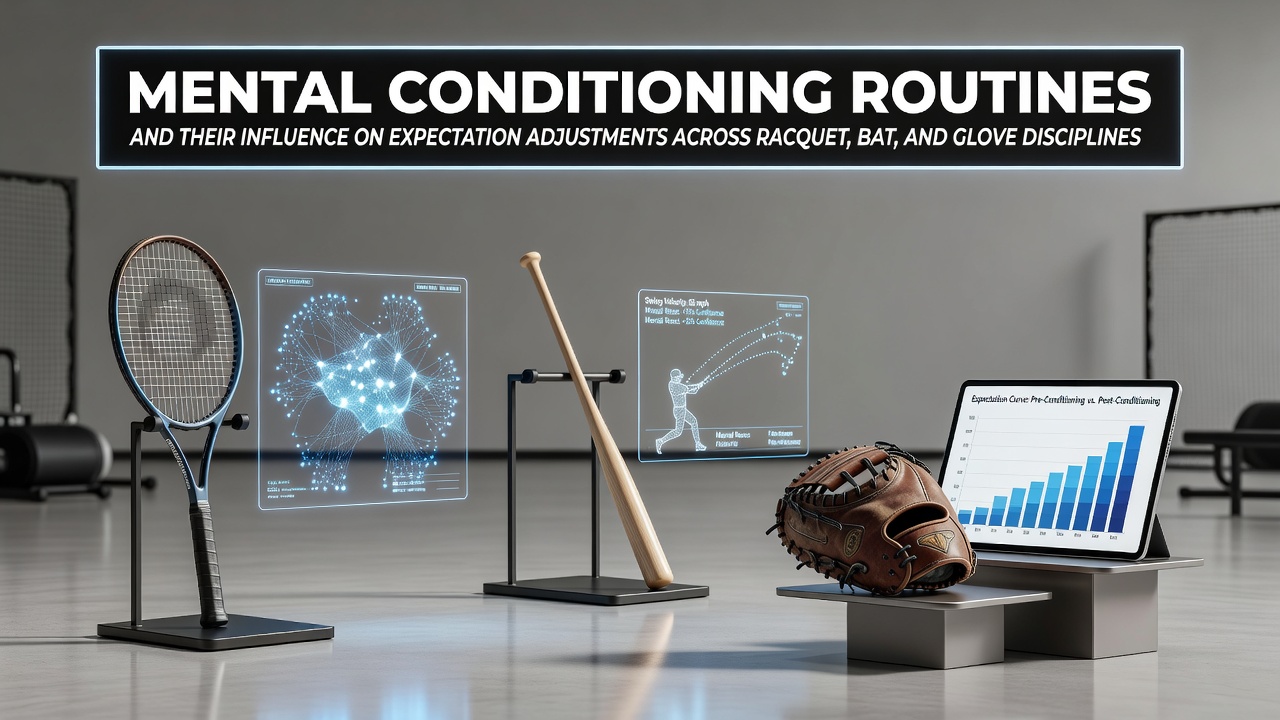
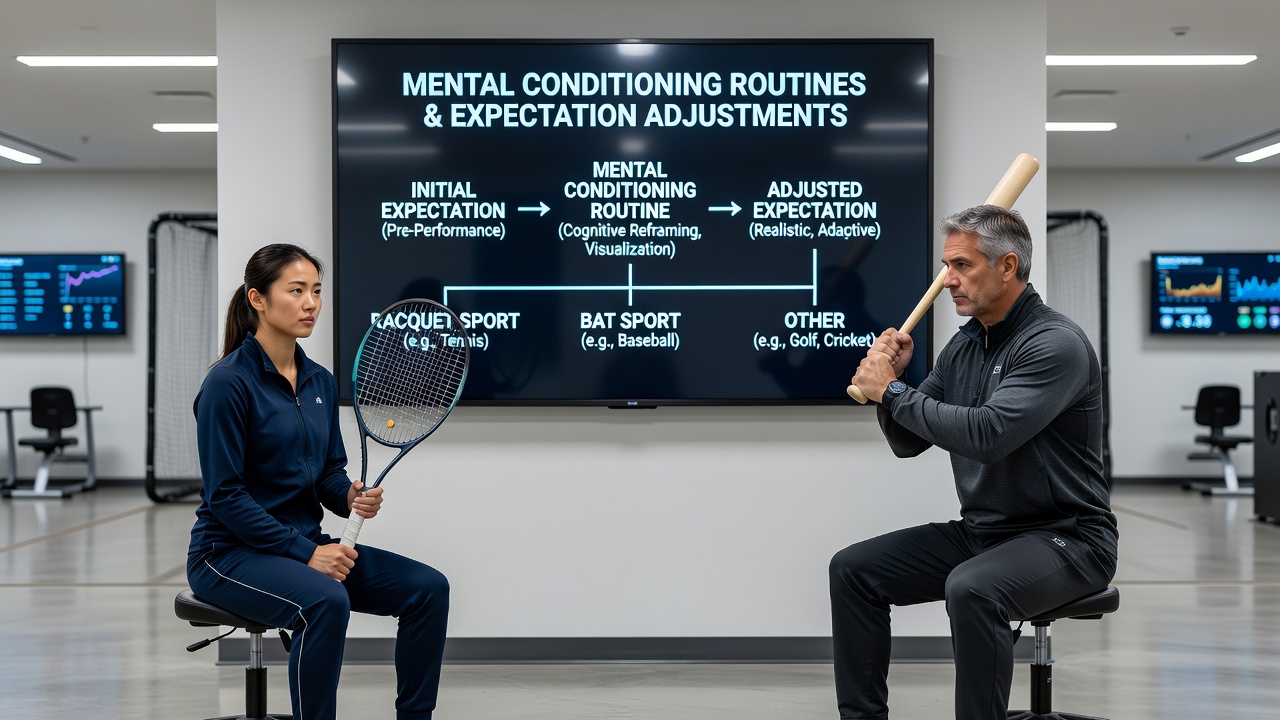
Researchers in sports psychology have documented how structured mental conditioning routines shape the way athletes recalibrate expectations during competition across racquet sports such as tennis, bat-and-ball games including cricket and baseball, and glove-based disciplines like boxing and fielding. These routines typically incorporate visualization, breathing regulation, self-talk protocols, and mindfulness drills that athletes apply before, during, and after key moments of play.
Core Components of Mental Conditioning Programs
Programs developed by performance institutes emphasize progressive exposure to simulated pressure situations combined with biofeedback monitoring. Data collected by the Australian Institute of Sport shows participants who complete twelve-week cycles demonstrate measurable shifts in pre-point heart-rate variability and post-error recovery times. Such training does not eliminate mistakes but alters the cognitive framework athletes use to interpret those mistakes and reset performance targets for subsequent actions.
Application in Racquet Sports
In tennis and similar disciplines, players integrate pre-serve routines that blend diaphragmatic breathing with specific cue words. Studies from the University of Queensland indicate these sequences help competitors adjust point-by-point expectations when facing extended rallies or break-point deficits. Rather than fixating on the need to win the next three points outright, trained athletes redirect focus toward controllable elements such as foot positioning and racket-head speed, which produces steadier service percentages across multiple sets.
Case Examples from Professional Circuits
One researcher tracked a cohort of junior players who adopted nightly imagery sessions depicting both successful and unsuccessful outcomes. Those sessions led to faster expectation recalibration after double faults, with participants showing reduced second-serve fault rates in subsequent games. The same cohort also recorded shorter durations between points, suggesting a tighter loop between error recognition and tactical adjustment.
Adaptations in Bat Disciplines
Cricket batters and baseball hitters face longer intervals between decisions, which creates distinct demands on mental routines. Programs used by national teams incorporate situational visualization that emphasizes pitch recognition cues rather than outcome predictions. Evidence gathered during the 2025-2026 domestic seasons revealed that athletes who maintained consistent pre-delivery routines adjusted swing decisions more efficiently when facing altered bowling or pitching strategies mid-innings.
July 2026 figures released by the Canadian Sport Centre Pacific highlighted a 14 percent improvement in contact rates among hitters who completed structured breathing drills between at-bats. These athletes demonstrated an ability to lower their expected launch-angle targets when facing pitchers who had previously induced weak contact, thereby increasing overall on-base percentages without altering swing mechanics.
Glove-Based Disciplines and Reactive Adjustments
Boxers and defensive specialists in baseball apply mental conditioning to manage the rapid expectation shifts required when opponents change angles or timing. Protocols often include post-round debriefs that separate factual observations from emotional interpretations. Research conducted at the University of Toronto’s Faculty of Kinesiology found that fighters who logged these debriefs exhibited quicker recovery of punch accuracy in later rounds after absorbing unexpected combinations.
Fielders similarly use cue-based self-talk to reset positioning expectations after misreads on batted balls. The same Canadian study noted that infielders trained in these methods reduced average reaction times on subsequent plays by 0.12 seconds on average across a 40-game sample.
Cross-Discipline Patterns Observed in 2026
Comparative analyses published by the European College of Sport Science in mid-2026 identified shared mechanisms across the three categories. Athletes who maintained daily mindfulness practice for at least eight weeks showed consistent reductions in post-error dwell time regardless of equipment type. Racquet, bat, and glove users alike displayed improved capacity to revise performance benchmarks mid-match rather than persisting with outdated targets set before competition began.
Training logs from multiple national programs further indicate that the frequency of routine application matters more than the specific imagery content. Athletes who performed abbreviated versions of their protocols between points, pitches, or rounds achieved comparable expectation-adjustment gains to those completing longer sessions outside competition hours.
Conclusion
Longitudinal monitoring continues to track how these routines influence performance metrics across diverse competitive calendars. The evidence accumulated through 2026 points to measurable, repeatable effects on the speed and accuracy with which athletes revise internal expectations when conditions change. Continued collaboration between sports psychologists and coaching staffs will likely refine these protocols further as measurement technologies evolve.