Pulse Points: Biometric Data Streams from Athlete Wearables That Quietly Recalibrate Markets in Tennis Marathons, Boxing Bouts, and Basketball Overtime Sessions
Written by Zoe Hansen · Jul 12, 2026
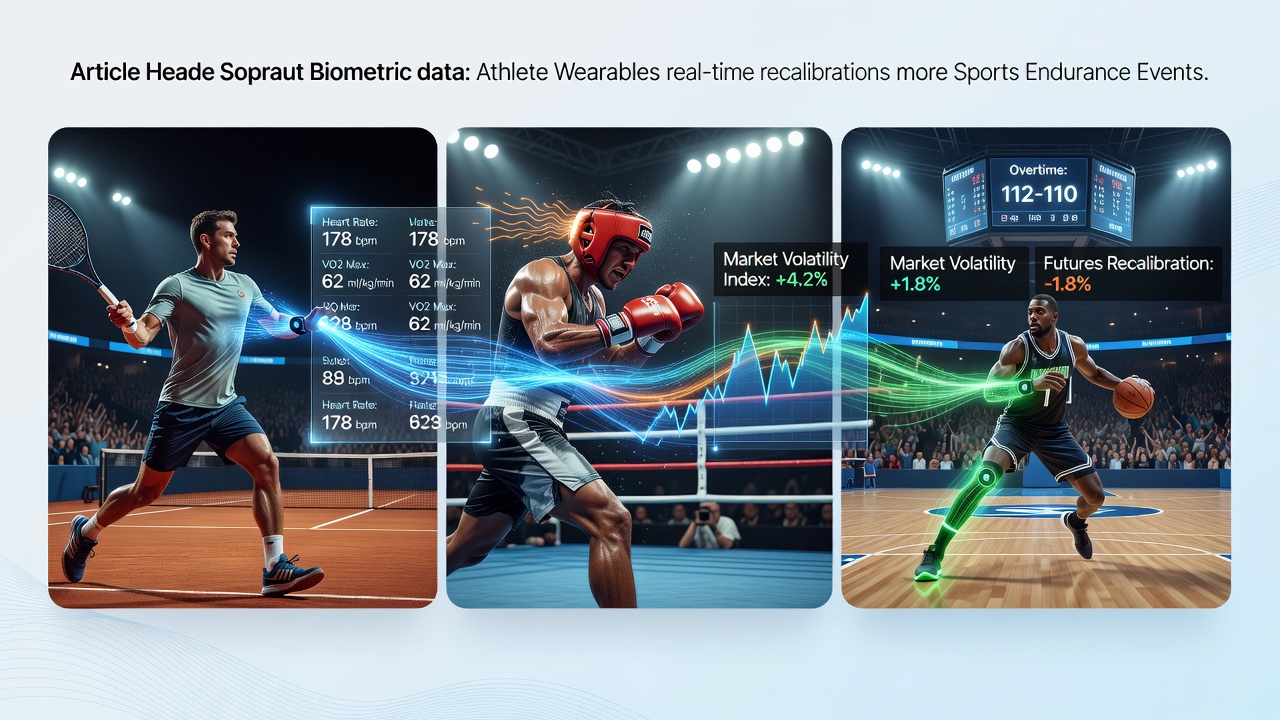
Pulse Points: Biometric Data Streams from Athlete Wearables That Quietly Recalibrate Markets in Tennis Marathons, Boxing Bouts, and Basketball Overtime Sessions
Biometric streams from athlete wearables now feed into performance monitoring across endurance heavy events, and observers note that heart rate variability along with oxygen saturation readings can shift how markets adjust during extended contests. In July 2026 several professional circuits continue integrating chest straps and arm bands that capture continuous data, creating patterns that align with observable drops in rally length or punch output.
Data Capture in Prolonged Contests
Tennis matches stretching past four hours generate detailed logs of cardiac response and movement efficiency, while boxing rounds in later stages show spikes in recovery time between exchanges. Basketball overtime periods track similar metrics through arm based sensors that record acceleration and lactate estimates. These readings do not transmit directly to betting platforms, yet analysts track public performance dips that correlate with earlier biometric thresholds reported in training studies.
Researchers at institutions across multiple regions document how elevated resting heart rates before a fifth set often precede unforced error clusters, and comparable data from combat sports indicates that punch accuracy declines once average heart rates exceed 170 beats per minute for sustained intervals. Market makers adjust live lines when these statistical clusters appear repeatedly across matches.
Tennis Marathons and Market Shifts
Five set encounters at Grand Slam events produce extended datasets where wearable metrics reveal cumulative fatigue that affects serve speed consistency. When players maintain heart rate zones above threshold levels for more than ninety minutes, break point conversion rates tend to fall according to aggregated match logs. Live odds respond to these shifts because bettors and syndicates monitor surface level indicators such as first serve percentage that track with internal biometric readings collected by teams.
Boxing Bouts and Late Round Adjustments
Professional boxing cards generate round by round data streams that highlight diminishing punch volume once recovery intervals lengthen. Observers note that fighters whose oxygen saturation dips below baseline thresholds during championship rounds often land fewer combinations, prompting real time line movements in round totals and method of victory markets. Equipment manufacturers report that newer sensor arrays introduced ahead of 2026 title fights capture respiratory rate alongside traditional heart rate, adding granularity to fatigue models used by performance analysts.
Basketball Overtime Dynamics
Overtime sessions in professional basketball feature rapid fluctuations in player load metrics captured by devices approved under league protocols. Data shows that athletes logging high minute totals earlier in regulation often exhibit reduced vertical leap force once additional periods begin, and these reductions align with lower field goal percentages in documented overtime segments. Markets recalibrate because historical correlations between biometric load scores and scoring efficiency allow sharper projections once the extra period clock starts.
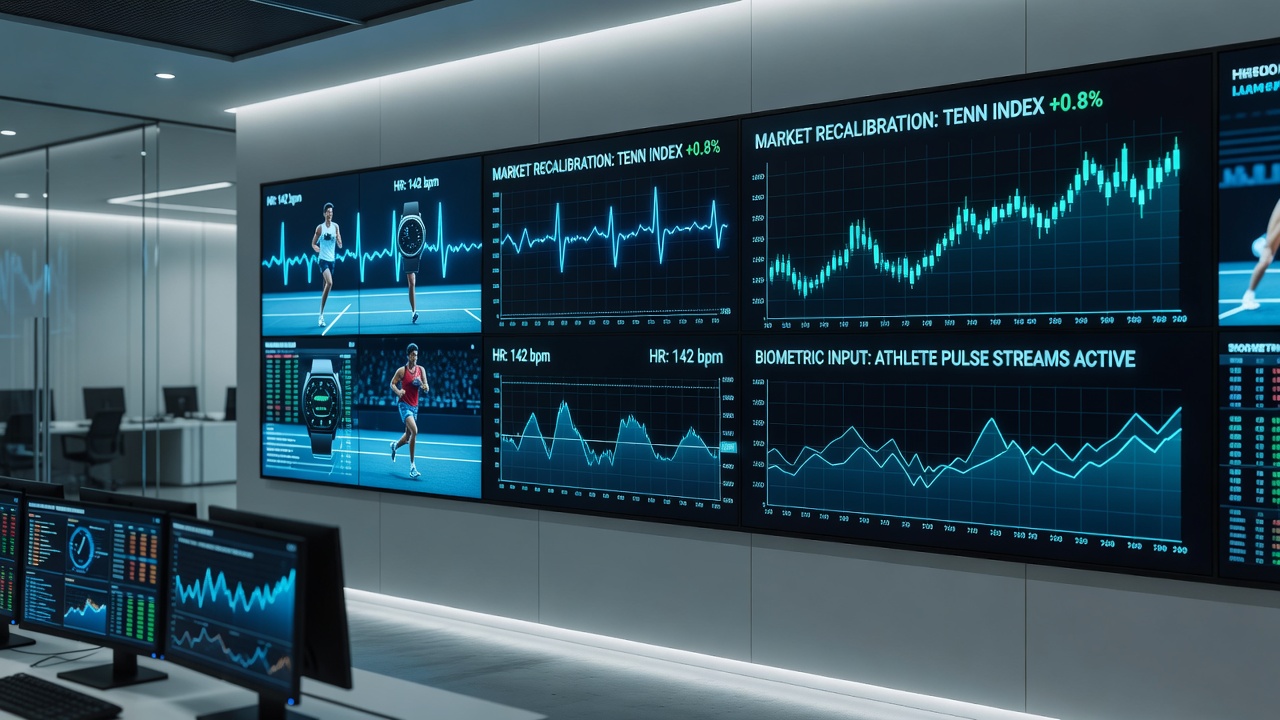
Coaching staffs review live dashboards during timeouts, and the resulting substitution patterns frequently precede changes in team totals and player prop lines. External studies, including work referenced by the National Institutes of Health, confirm that wearable derived recovery scores predict performance decay in repeated sprint sports when sessions extend beyond standard durations.
Integration with Live Market Models
Algorithmic trading groups incorporate publicly available performance metrics that serve as proxies for internal biometric states, adjusting implied probabilities in real time. When tennis players display shortened recovery steps between points after two hours of play, corresponding adjustments appear in game spread markets. Similar patterns emerge in boxing when corner activity increases to manage visible fatigue, and in basketball when rotation minutes push individuals into higher load categories during extra periods.
Regulatory frameworks in several jurisdictions require transparency around data usage, yet the indirect influence on odds continues through statistical modeling rather than direct feeds. A 2025 industry report from the Sports Integrity Initiative outlines how performance analytics firms combine wearable trends with video tracking to refine in play projections without accessing proprietary team data streams.
Conclusion
Biometric monitoring through wearables supplies granular detail on athlete states during tennis marathons, boxing bouts, and basketball overtime, and these details feed into performance models that underpin live market recalibrations. Patterns identified across multiple events demonstrate consistent relationships between physiological thresholds and observable output, allowing markets to respond to emerging fatigue indicators even when raw sensor data remains restricted. Continued refinement of sensor accuracy and statistical correlation methods sustains this quiet integration into betting ecosystems as circuits advance through 2026 and beyond.